
Payments Systems Editor
Clearing, settlement and message formats
Traces how a request moves between a sender, an intermediary and a receiving institution, and rewrites any explanation that quietly assumes every system settles on the same schedule.
A plain-language look at how a transaction moves from request to record, and the ordinary mistakes that stall it along the way.
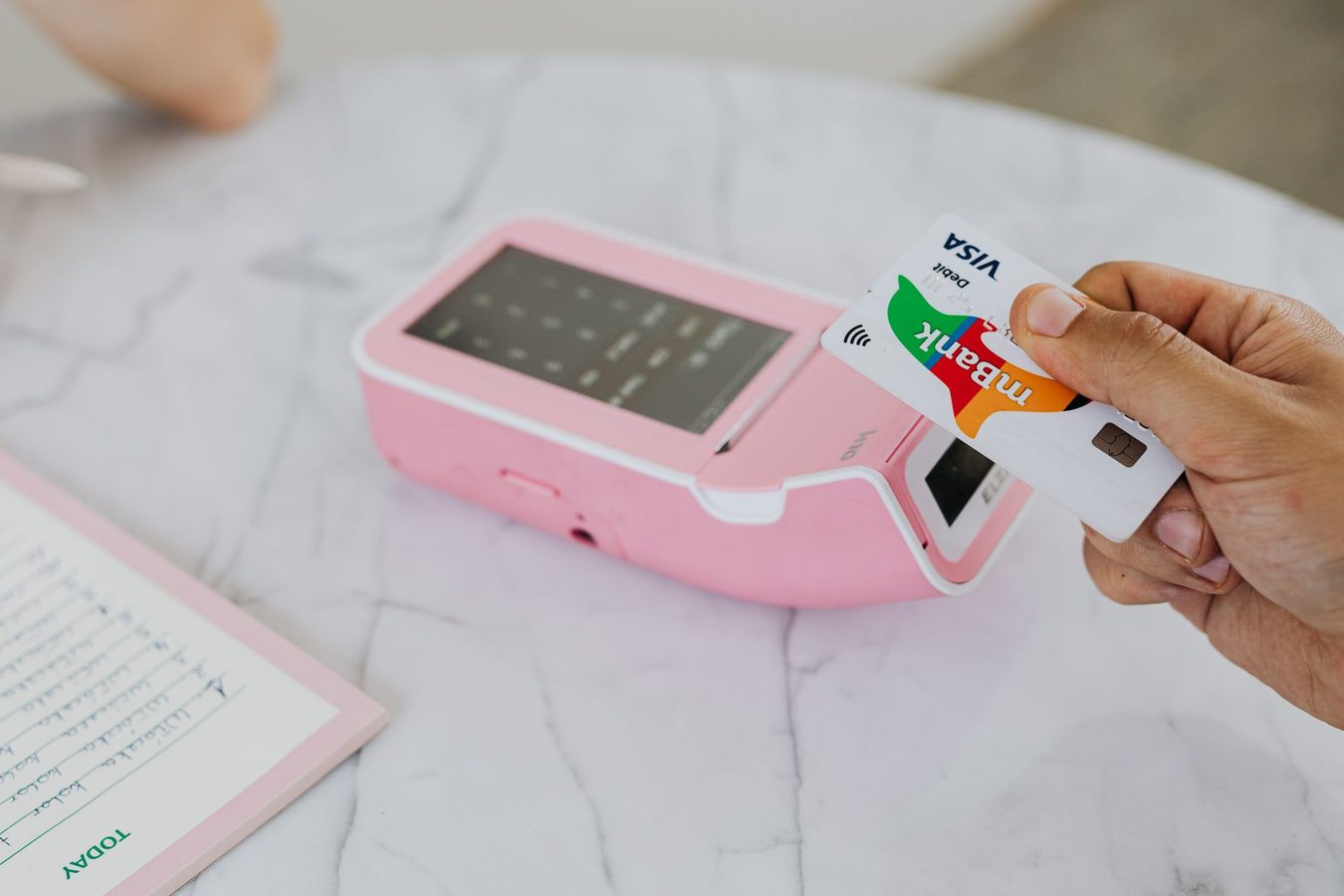
Most rejections happen at validation, long before money moves. A transit number typed with a digit missing, a name that does not match the account it is drawn on, an amount above a daily ceiling nobody mentioned. We walk through what a system checks first, in what order, and which of those checks you can verify yourself in under a minute.
A pending status can mean three different things: the request is queued, it has been approved but not settled, or it has quietly errored and nobody has told you. Batch windows, weekends and statutory holidays in Canada, and cut-off times all stretch timelines without anything being broken. We describe how to tell an ordinary wait from a real problem.
Confirmation and reconciliation are separate events. A merchant can hold an amount, a ledger can post it hours later, and an app can show a running figure that is neither. Mismatched records are common and usually temporary. We explain how holds, postings and reversals appear on statements, and when a mismatch deserves a phone call.
No, and assuming they do is itself a frequent mistake. Card networks, bank-to-bank transfers, email-based transfers and account-to-account rails differ in how they authenticate, when they finalise, and whether a payment can be recalled. We compare the shapes of these systems so you know which rules apply to the one in front of you.
Networkstudyroom is an independent educational publication about the mechanics of digital transactions. We are not a bank, a processor, or an intermediary of any kind, and nothing here is for sale. The material exists because the moment most people want an explanation is the moment they are least likely to get one: a transfer sits unconfirmed, a card is declined at a till, a statement disagrees with an app. Our writing starts from those moments and works backwards through the steps that produced them.
The editorial angle is deliberate. Rather than describing an idealised transaction that always succeeds, every page is organised around what commonly goes wrong: mistyped account details, verification codes entered after they expire, limits nobody read, duplicate submissions made out of impatience, and records that reconcile on a schedule rather than instantly. Framing the subject this way tends to be more useful, because failures are where the underlying process becomes visible.
We describe systems in general terms and avoid naming brands or products. Where examples help, they are ordinary ones: a rent payment sent on a Friday evening, a deposit that clears the next business day, a refund that appears as a reversal rather than a credit. Nothing here is personalised financial advice, and we make no claims about outcomes. For questions about a specific account, your provider holds the records and we do not.

Clearing, settlement and message formats
Traces how a request moves between a sender, an intermediary and a receiving institution, and rewrites any explanation that quietly assumes every system settles on the same schedule.
Identity checks, one-time codes, device trust
Reviews our authentication pages for accuracy, flags advice that would weaken a reader's habits, and insists we describe what a verification step actually proves rather than what people assume it proves.
Rejections, timeouts, duplicate entries
Collects publicly documented reason codes and error categories, then sorts them into the plain-language groups used across this site: bad input, failed check, stalled processing, mismatched record.
Readability and Canadian conventions
Removes jargon, sets dates and amounts in the formats a reader in Canada expects, and cuts any sentence that sounds like a recommendation instead of an explanation.
A single transfer passes through initiation, authentication, validation, processing and recording. Each handover is a place where something can stop. This walkthrough follows the whole path in order, names the failure point at each stage, and explains why an error message often describes the symptom rather than the step that caused it.
Most identity problems are not dramatic break-ins. They are expired codes entered a minute too late, a phone number no longer in use, a verification prompt approved while reading a different screen, or credentials reused across unrelated accounts. We describe what each check confirms and the habits that keep it from becoming the weak link.
Many requests never reach processing at all. A name that does not match the account, a transit number typed with a digit transposed, an amount above a daily limit, a field formatted for a different country. Validation is designed to catch these early, and knowing its rules is the cheapest way to avoid a rejection.
Approval is not completion. Between the two sit batch windows, business days, weekends and statutory holidays, risk review queues and receiving-side posting schedules. We separate delays that are ordinary and expected from the ones that suggest something is genuinely stuck, so waiting does not turn into a second mistake.
A confirmation screen records that a request was accepted, not that money has landed. Pending amounts, authorization holds, reversed entries and two ledgers updating at different moments all produce balances that appear to disagree. This section explains how records reconcile and which mismatches resolve themselves.
Card networks, bank transfers, e-transfers and wallet balances fail in different ways because they are built differently, and treating them as one process is a mistake in itself. Alongside that comparison we cover the routine user errors: wrong recipient, duplicate send, unread limit notice, unchecked reference field.
"Sent" is usually a statement about the sending system, not the receiving one. It means your request was accepted, formatted and passed along. Arrival depends on the receiving institution accepting it, the clearing cycle it entered, and whether a review flagged it. Before assuming the money is lost, check whether the funds have actually left your available balance, whether a reference number was issued, and what the receiving side can see.
No, and the difference decides what you do next. A failure means the transaction never completed, so nothing should post to either account. A reversal means it did complete and a second, opposite entry was created to undo it. Reversals leave two lines in your history and may take their own settlement cycle to appear. An entry that vanishes entirely usually means an authorization hold expired rather than a refund arriving.
Many card-based systems approve in one step and settle in another. The first step checks that the account exists, the credentials pass and the amount sits within limits; it places a hold rather than moving money. The later step submits the item for clearing, where a mismatched amount, an expired hold or a changed account can still produce a rejection. Approval is a good sign, not a finished transaction.
It depends entirely on the rail you used. Real-time transfers normally complete in seconds, so an hour is unusual. Batch-cleared items follow business-day cycles, so a Friday evening instruction may not post until Tuesday when Monday is a statutory holiday. Cross-border payments add correspondent institutions and time zones. Find out which system carried your instruction and what its published cut-off times are before you start counting hours.
Validation is not only about whether your data is correct. Systems also apply daily and rolling limits, counts of recent attempts, device and location checks, and risk scores that shift with your behaviour. A transfer that passed last month can be held this week because it is larger, faster, or going to a recipient you have never paid. Your details did not change; the rules applied to them did.
Partly. A small transfer that arrives confirms the routing information reaches a real, open account. It does not test amount limits, daily caps, name-matching on larger sums, or the reviews that size alone can trigger. It also does not prove the account belongs to the person you have in mind, because many systems verify the number and not the name. Treat it as one check, not a clearance.
Apps usually show pending activity; statements show posted activity. A pending item is an authorization or an instruction still inside a clearing cycle, and it can change amount, drop off, or post days later carrying a different date. Holds for fuel, hotels and pre-authorized items widen the gap further. When you reconcile, compare posted entries against posted entries, and keep reference numbers rather than screenshots.
A payment instruction is only as good as its fields: malformed or missing data is rejected before any money moves.
ISO 20022, Universal financial industry message scheme
Items cleared through the national batch system can be returned with a coded reason days after they first appear.
Payments Canada, Rules and Standards (ACSS Rule H1, pre-authorized debits)
A bank may hold part of a deposited cheque for several business days; that hold is policy, not a broken transaction.
Financial Consumer Agency of Canada, Access to funds from a cheque deposit

A digital transaction is not a single event. It is a sequence of handoffs: a request is composed, an identity is proven, the details are checked against rules, value moves between institutions, and the result is written into more than one ledger. Most of what people describe as "the payment failed" happened at exactly one of those handoffs, and the symptom rarely names the cause. A rejection at the validation step looks identical on a phone screen to a stall in processing, and both can look like money disappearing. So the first practical habit is to ask which step the message you are reading came from: the app you tapped, the sending institution, or the receiving one.
Knowing the step narrows the response. An initiation error — wrong recipient, wrong amount, wrong date — is yours to correct, and it is easiest to fix before you confirm. An authentication failure usually needs a working second factor, a current phone number, or a device the institution recognises. A validation rejection carries a reason code even when the app shows only a polite sentence, and that reason is worth asking for, because it names the rule you hit. A processing delay is often a calendar problem rather than a fault. A recording mismatch is the one that needs paperwork: reference numbers, timestamps, and both sides' statements. Treating all five the same way is how people spend an afternoon on the phone about a long weekend.
Most avoidable failures happen in the twenty seconds before confirmation. Recipient identifiers get pasted with a trailing space or a line break. Transit and institution numbers get transposed. An autofill suggestion inserts a card that expired in the spring. An email address is copied out of an old message and now belongs to nobody. Amounts are typed into the wrong currency field, which matters when a Canadian account funds a purchase quoted in US dollars. None of these look like errors on screen, because the field accepts them. Validation happens later, somewhere else, and reports back in language that almost never mentions the single character you got wrong.
The second cluster involves repeating yourself. A screen freezes, the spinner keeps turning, and the instruction is sent again — now two requests exist and only one of them will be easy to trace. The remedy is unglamorous: wait, then check your history before retrying. Two further habits pay for themselves. Look at available funds rather than the balance, because a fuel or hotel hold can quietly reserve part of it. And keep the reference number the system issues, not a screenshot of a success message. A reference number can be searched by both institutions; an image of a green checkmark proves only that your phone displayed one.
A confirmation is a receipt for one step, issued by one participant. It generally means: your request was accepted here, in this format, at this time. It does not promise that the receiving institution has accepted it, that the clearing cycle has run, or that no one will review it. The timestamp adds its own confusion. Many systems record time in Coordinated Universal Time while your app displays local time, so an evening transfer sent from Ontario can carry the following day's date. Posting dates and value dates differ on purpose. If you may need to prove when something happened, keep the reference number and the exact wording, and expect both sides to describe one event with two dates.
Reconciliation goes wrong in predictable ways. A refund almost never erases the original entry; it arrives later as a separate credit, sometimes converted at a different rate than the purchase, so the amounts do not match to the cent. Partial settlements split one authorization into several posted lines. Duplicate-detection logic may quietly drop a legitimate second payment to the same recipient, for the same amount, on the same day. And ledgers do not update in lockstep: your app, the merchant's system and your statement each write at their own moment. Compare a pending line to a posted line and you will find a discrepancy that is not a discrepancy at all.
The most expensive assumption in this subject is that all digital transfers behave alike. Card systems separate approval from clearing, so their failures arrive late. Account-to-account items cleared in batches move on a business-day calendar, so their failures arrive on schedule, often as a coded return. Real-time transfers complete in seconds, which removes the delay problem and replaces it with an irreversibility problem. Wire transfers pass through correspondent institutions, any of which can ask a question and pause. Transfers on public ledger networks wait for confirmations and cannot be recalled by anyone. Same intention, five different ways to go wrong, and five different things to check first.
So the useful question before sending anything unusual is not "will this work" but "which system am I using, and how does it fail". If it is instant and final, slow down and verify the recipient twice, because there is no clearing window in which to change your mind. If it is batch-cleared, check the cut-off and the holiday calendar instead of refreshing the screen. If a hold appears, find out how long the institution keeps it. None of this needs technical knowledge. It needs you to read the word the interface actually used — authorized, pending, sent, posted, settled — and to know that those five words are not synonyms.
Nothing here is for sale and nothing here is advice. It is a plain account of where digital transactions break down, written so that the next time a transfer stalls you can tell an ordinary delay from a mistake worth fixing.